



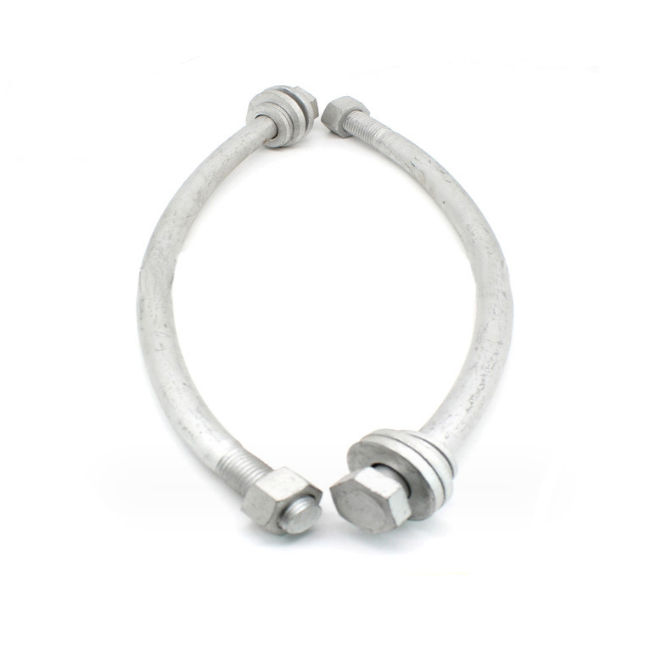
In tunnel construction, there is a type of equipment that is used for the initial excavation and tunnel advancement, called a shield machine. It has functions such as excavating and cutting the soil, transporting the soil slurry, and assembling the tunnel lining. However, when assembling the tunnel lining with a shield machine, it is done by connecting several segments of segments, and there is a type of screw that serves the purpose of connection and tightening; the segment bolts are the key components used in the shield method for reinforcing the prefabricated segments of the lining during construction. The shield method has been widely used in tunnel projects such as subways, railways, roads, municipal works, and hydropower projects. By assembling to form a cylindrical pipe, the segments are cylindrical walls. During excavation, it can effectively control ground subsidence, reduce the impact on ground buildings, and not affect water surface traffic when excavating underwater. By combining the segments together to form a pipe, this design results in a straight or slightly curved fastening connection piece, which is the segment bolt.
The pipe segment bolts, like other bolts and fasteners, are designed with different strength grades depending on the application environment and force conditions.
The commonly used grades are: 5.8, 6.8, and 8.8. According to different geological conditions and force requirements, their mechanical design properties also include multiple levels such as 4.6, 4.8, 5.6, and 10.9.
The corresponding production materials include: Q235, 45# steel, 40Cr, etc. In addition, to meet high-strength and special anti-corrosion requirements, specific alloy steel materials are also used. Their compositions may include C, Si, Mn, Cu, Ni, Cr, Mo, V, Ti, and trace elements such as Pt, Pr, Nd, etc.
Surface treatment of pipe segment bolts
Common surface treatment processes include Dacromet, hot-dip galvanizing (hot zinc plating), etc., to enhance their corrosion resistance in humid and corrosive underground environments.
Post time: 2026-03-13 17:38:23
